The Evolution of Street Style
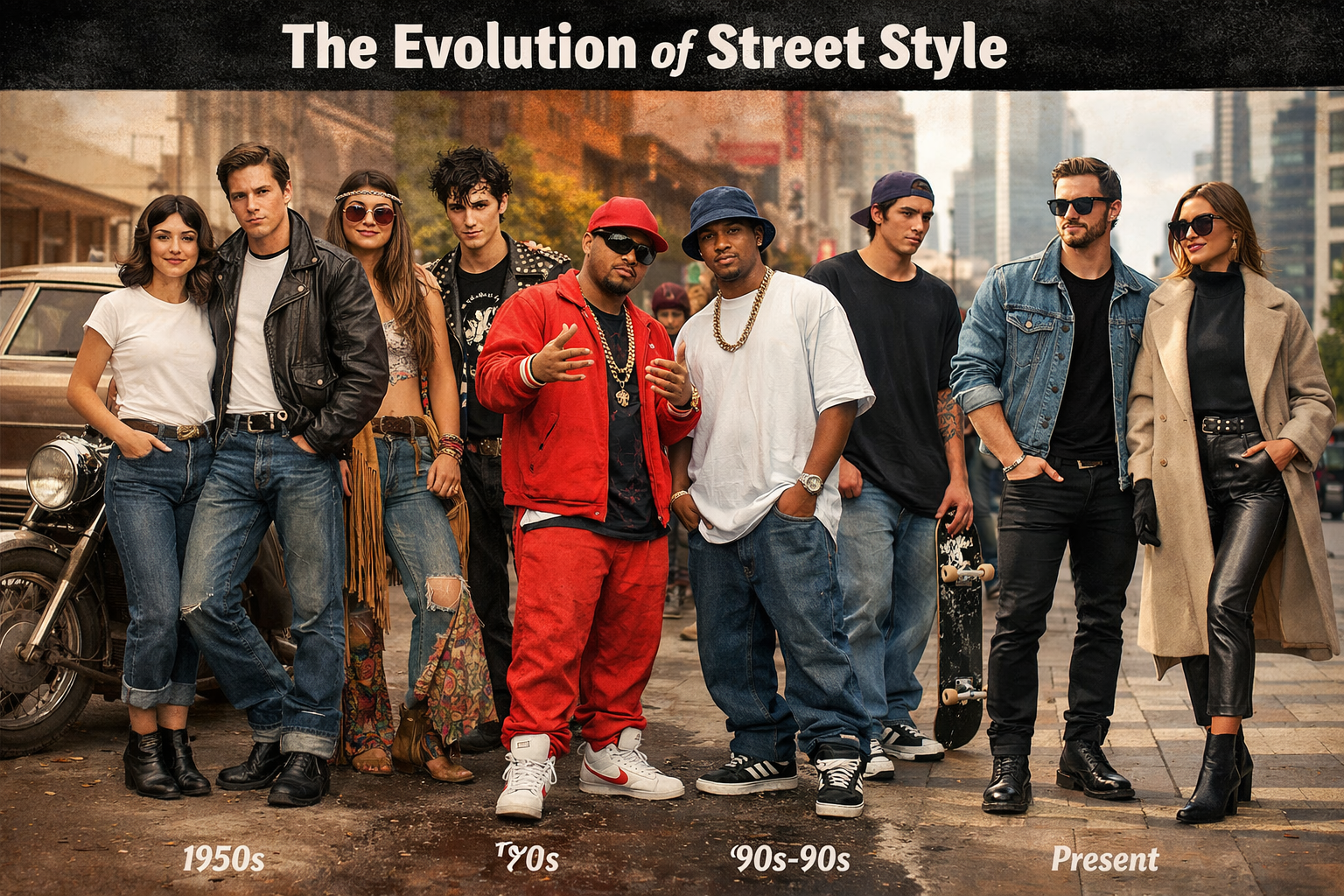
Street style, a term that embodies the essence of casual yet expressive fashion, has its roots deep in the cultural and social transformations of the 20th century. The inception of this style can be traced back to post-war America in the 1950s, where figures like Marlon Brando captivated audiences with their rebellious looks. This was an era marked by a defiance of traditional dress codes, where leather jackets and blue jeans symbolized youth discontent and a desire for individuality.
By the 1960s and 70s, street style began to evolve dramatically, influenced by the burgeoning counterculture, music, and art movements. The hippie movement introduced psychedelic prints and free-spirited attire, while the punk aesthetic later challenged the mainstream with its bold use of leather, spikes, and an array of vibrant colors. This decade underscored the idea that fashion was not merely a reflection of societal norms but a powerful mechanism for protest and self-expression.
The 1980s and 90s brought forth an explosion of creativity, particularly within the realms of hip-hop and skate culture. Baggy pants, oversized tees, and vibrant sneakers became the norm, serving as a canvas for personal expression and cultural identity. This era’s urban flair transformed classic pieces such as denim jackets from utilitarian wardrobes into fashion statements, embraced across diverse social landscapes.
As the new millennium arrived, the lines between high fashion and streetwear blurred, leading to collaborations between luxury brands and street style icons that broadened the appeal of once-niche clothing. Denim jackets and leather boots persisted as key elements, continuously reimagined through the lens of each generation, showcasing their timelessness. Today, recognizing the transformative journeys of these staples fosters an appreciation for the enduring influence and relevance of street styleacross various cultures.
Iconic Pieces That Define Street Style
Within the realm of street style, certain garments remain perennial favorites, echoing through generations and fashion cycles. Among these, the denim jacket holds a unique spot. Initially popularized in the mid-20th century, it has evolved from a utilitarian garment worn by laborers to a symbol of rebellion and youth culture. Its adaptability allows it to be paired effortlessly with nearly any outfit, making it a staple in the closets of fashion enthusiasts across the globe.
Another timeless item is the leather boot. With roots tracing back to rugged outdoor use, leather boots have transcended their practical origins to become a fashionable choice for both men and women. This versatile piece can elevate casual wear and add an edge to more polished ensembles. Dressed up or down, leather boots embody a spirit of resilience, contributing to their status as a lasting trend.
Equally essential are white sneakers. Originally designed for athletic performance, white sneakers have been co-opted into casual and luxury fashion alike. Their clean aesthetics and unisex appeal make them suitable for diverse styles and occasions. Whether paired with jeans or flowing dresses, white sneakers can infuse comfort into any look while retaining an air of modernity.
Lastly, oversized coats symbolize both warmth and an unapologetic approach to style. Emerging prominently in the 1980s, they have since become a fashionable statement piece that can convey individuality. This garment suits any body type, allowing for creative layering and the combination of textures or patterns, further exemplifying its versatility.
These iconic pieces—the denim jacket, leather boots, white sneakers, and oversized coats—serve as foundational elements within street fashion. Their cultural significance and enduring appeal ensure that they continue to be reimagined across seasons and styles.
Modern Interpretations of Classic Styles
As fashion continues to evolve, modern designers often draw inspiration from timeless styles, reinterpreting them in ways that resonate with contemporary sensibilities. This approach allows for a seamless blend of vintage charm and modern aesthetics, making classic fashion more accessible and relevant to today’s wardrobe. By incorporating elements from the past, designers create pieces that reflect not only enduring styles but also the practical needs of modern life.
For instance, consider the classic trench coat, which has maintained its status as a staple in fashion. Modern interpretations often include updated fabrics, such as water-resistant materials or sustainable textiles, ensuring that while the original silhouette is preserved, the garment is optimized for current climate demands. Pairing a trench with tailored joggers and sleek sneakers can create a balanced look that marries functionality with elegance.
Another example is the resurgence of high-waisted trousers, originally popular in the mid-20th century, now often styled with crop tops or fitted blazers to create a chic yet comfortable ensemble. This fusion of old and new not only nods to the past but also enhances the versatility of the outfit, making it suitable for various occasions from casual outings to more formal settings. Accessories, such as vintage-inspired bags or jewelry, can further elevate the overall look without overwhelming it with nostalgia.
In essence, integrating classic styles into modern wardrobes is about selecting key vintage elements and pairing them thoughtfully with contemporary pieces. This practice not only keeps fashion fresh and exciting but also encourages sustainable choices, as timeless pieces tend to have a longer life cycle. By understanding how to dress in these modern interpretations of classic styles, individuals can cultivate a unique and functional wardrobe that pays homage to history while embracing the present.
Styling Tips for the Effortlessly Cool Look
Achieving an effortlessly cool look in street style for 2026 involves a thoughtful approach to outfit composition, drawing inspiration from timeless elements while ensuring personal expression. Start with the foundational pieces that redefine casual chic; think oversized hoodies, relaxed-fit jeans, or tailored trousers. These staples remain relevant due to their versatility and comfort, making them ideal for crafting an easygoing yet fashionable appearance.
Layering is key to mastering this style. Begin with a lightweight turtleneck or fitted tee as a base layer, topped by a statement jacket or bomber that draws attention. The balance of loose and fitted silhouettes creates depth, making your ensemble visually interesting yet comfortable. Experiment with textures; a denim jacket paired with a soft cotton crewneck brings dimension without overwhelming the outfit.
Accessorizing is essential for elevating your street style. Consider items like beanies, crossbody bags, or chunky sneakers that not only serve functional purposes but also express your unique identity. A couple of carefully chosen accessories, such as a vintage watch or a pair of oversized sunglasses, can transform a simple outfit into something distinctly personal and memorable.
Choosing complementary pieces is another vital consideration. Aim for a cohesive color palette that allows individual pieces to harmonize instead of clash. Neutral tones like beige, grey, and black serve as an excellent backdrop, while pops of color can be introduced through accessories or statement footwear. The goal is to ensure each element of your outfit reflects your style while maintaining an effortlessly cool aesthetic.
In conclusion, embracing timeless street styles in 2026 is all about balancing comfort, individuality, and artful layering. By incorporating these practical styling tips, both men and women can navigate their wardrobes confidently, crafting looks that resonate with contemporary trends while remaining grounded in classic influences.